Blog
Articles about computational science and data science, neuroscience, and open source solutions. Personal stories are filed under Weekend Stories. Browse all topics here. All posts are CC BY-NC-SA licensed unless otherwise stated. Feel free to share, remix, and adapt the content as long as you give appropriate credit and distribute your contributions under the same license.
tags · RSS · Mastodon · simple view · page 11/20
Enable interactive plots and other plot modes in Jupyter notebooks
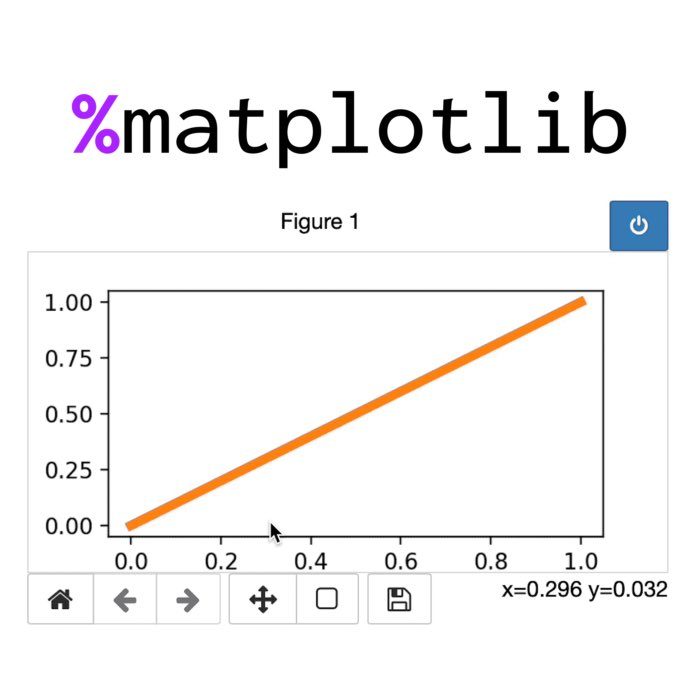
Learn how to enable interactive, static and stand-alone window plots in Jupyter notebooks with the magic command
%matplotlib.
Enable code folding in JupyterLab
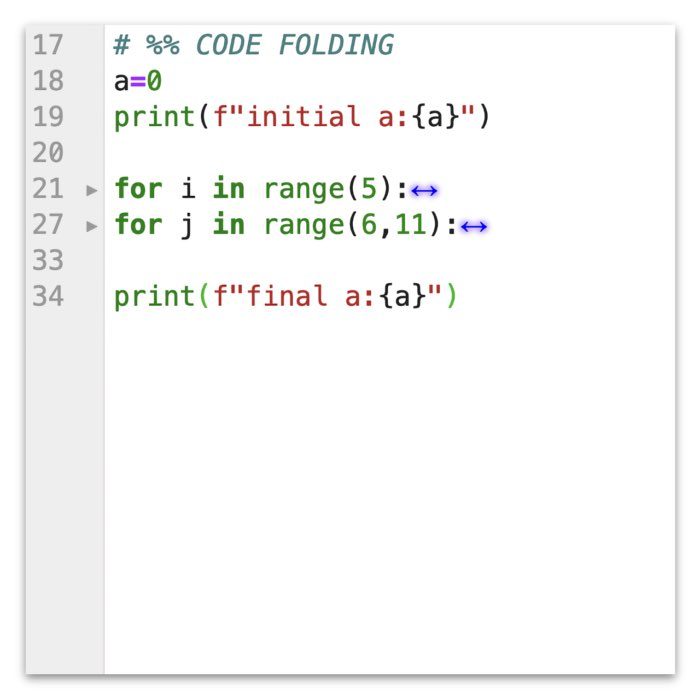
Learn how to enable code folding in JupyterLab for both, Jupyter Notebooks and pure Python scripts.
How to create and apply a requirements.txt file in Python
Learn how to install Python packages with a requirements.txt file and how to create one yourself.
Using pip to install Python packages

pip is another package installer for Python. Learn how to use it for installing and managing Python packages in your projects.
Virtual environments with venv

In addition to conda’s
create command, Python’s built-in venv command offers another way for creating virtual environments.
How to install and run Python code from GitHub

Here is an easy-to-follow guide on how to install and run Python code from GitHub repositories. We go through several options, from downloading a ZIP file to using the GitHub CLI.
A minimal Python installation with miniconda
Learn how to install miniconda to have a quick and minimal Python installation on any operating system. Also learn how to use conda to create and manage virtual environments, install packages, run Python scripts and run Jupyter Notebooks and JupyterLab.
Stable installation of Napari on a M1 Mac

In case you’re having problems installing Napari on your M1 Mac, try to install it from conda instead of pip.
Using Zarr for images – The OME-ZARR standard
As for any other NumPy array, we can use the Zarr file format to store image files. In this post we additionally explore the NGFF (next-generation file format) OME-ZARR standard.